BackgroundPrevious studies have shown
associations between human growth and socioeconomic conditions. As these
conditions are often associated with feelings of well-being and mental
health, these feelings may in turn be associated with body height. The
present study was conducted to determine the contribution of specific
feelings to the growth of young adolescents.
MethodsThe study surveyed a total of
240 early pubertal boys (aged 12–13 years) and 98 early pubertal girls (aged
11 years). The study included height and data on mental and emotional
well-being across various areas of life obtained from questionnaires of the
KiGGS Wave 2, a comprehensive study conducted by the Robert Koch Institute
(RKI) on the health of children and adolescents living in Germany.
ResultsEarly pubertal boys and girls
differ in their patterns of associations between feelings and body height.
In contrast to expectation, taller height in girls is associated with
negative feelings, shorter height is associated with the feeling “energy”.
Shorter height in boys was mildly associated with a higher level of
“worries”.
ConclusionThe present study provides
new insights into the relationships between feelings and height during early
pubertal age. The findings suggest that gender-specific roles influence
physical growth. It is speculated that tradwife effects and aspects of mate
selection exhibit effects on height in young adolescents.
Conflict of interest statement:
There are no conflicts of interest.
Citation: Fiedler, E. / Scheffler, C. (2026). The association
between adolescent height and feelings is sex-specific. Human Biology and Public
Health. https://doi.org/10.52905/hbph2026.122.
Permissions: The copyright
remains with the authors. Copyright year 2026. Unless otherwise
indicated, this work is licensed under a Creative Commons
License Attribution 4.0 International. This does not apply to quoted
content and works based on other permissions.
Emotional processes and feelings during adolescence are influenced by social
factors and linked to growth. The present pilot suggests a sex-specific link
between feelings and height and that this association depends on gender
role.
Contents
Introduction
Human
growth and development are determined by continuous changes in body size, proportions,
and maturation processes. The analysis of human growth patterns is central in
anthropology and human biology (Batty et al., 2009). The growth and development of
children and adolescents are highly complex phenomena that have long been at the centre
of interdisciplinary scientific investigation (Best & Ban, 2021). Previous studies
have shown that height is influenced by various factors, including genetic
predisposition, socio-economic conditions (Case and Paxson
2008), health status, and nutrition (Grasgruber
et al. 2014; Turchin et al. 2012; Gudbjartsson et al. 2008). Yet, more recent findings
suggest that the relevance of these factors may be overestimated (Hermanussen and Wit 2017; German
et al. 2020; Hermanussen et al. 2022). It is
increasingly recognised that human growth is also shaped by a variety of emotional
factors that can both promote and inhibit growth (Bogin
2021). This has become particularly evident in migrants (Scheffler et al. 2021; Fritsch and
Scheffler 2025). Yet, the impact of emotions and feelings on growth has not yet
been explored.
The definition of feelings presents a complex challenge, as no
generally accepted and unified theoretical definition exists to date (Scherer 2005; Russell 1991).
Feelings are often categorised as positive or negative and are understood as signals for
the subjective experience of situations (Frenzel et al.
2009). Feelings such as joy, anger, or boredom shape the daily life and
influence learning, performance, and psychological well-being (Valiente et al. 2012; Zang et al.
2025). Especially during adolescence, a period often described as a phase of
storm and stress, emotional processes increasingly come to the forefront (Casey et al. 2010). At the same time, interest and
participation in social, economic, and sexual activities intensify during adolescence
(Bogin et al. 2018). Continuous brain development
and reorganisation are accompanied by changes in language use, risk-taking behaviour,
and other cognitive abilities (Bogin et al. 2018). In
no other stage of life do people experience feelings as intensely as during the
transition from childhood to adulthood (Larson et al.
2002). While profound hormonal and neural adjustments take place internally,
they are simultaneously faced with the task of shaping social integration and personal
identity (Abreu and Kaiser 2016; Main et al. 2025). These processes are particularly reflected in
the changing relationship with parents and peers (Abreu and
Kaiser 2016; Guyer et al. 2016). The pursuit
of belonging, autonomy, and recognition decisively shapes emotional experiences and
often leads to tensions between individuation and social environment (Abreu and Kaiser 2016; Guyer et al.
2016; Paus et al. 2008; Steinberg 2005). Adolescence is an independent developmental stage lasting
approximately five to eight years (Bogin et al. 2018).
An early indicator of the transition into adolescence is the reversal of growth velocity
in girls and boys (Naulé et al. 2021). Slowed growth
shifts into an accelerated adolescent growth spurt, which typically begins in girls at
about 10 to 11 years of age and in boys between 12 and 14 years (Bogin et al. 2018). During this developmental phase, physical
growth is particularly influenced by the “community effect” (Aßmann and Hermanussen 2013; Hermanussen et al. 2025). This effect refers to the phenomenon that growth is
regulated within social groups (Hermanussen et al.
2015). According to the underlying hypothesis, the height of an adolescent is
oriented toward the average height of the immediate social environment (Hermanussen and Scheffler 2024). This occurs on the one hand
through emotional needs and social pressure, and on the other hand through competition
for status within the group (Hermanussen and Scheffler
2016; Hermanussen et al. 2025). Among tall
stature populations this social-biological feedback mechanism appears to stimulate
growth and to result in tall individuals, while shorter individuals tend to grow up in
communities with short average height (Hermanussen et al.
2015). Although research on this topic is still in its early stages, initial
studies suggest that feelings, both positive and negative, may influence the growth of
young people (Bogin 2020). Based on these assumptions
and previous research, the following hypothesis is formulated, which forms the starting
point of the present pilot study:
•
In early-adolescent boys (aged 12–13 years) and girls
(aged 11 years), positive feelings are positively correlated with
height.
The study examines the association between feelings and physical growth in
adolescents. The primary focus is on analysing the extent to which positive and negative
feelings correlate with height. The objective is to develop a comprehensive
understanding of the interactions between emotional experiences and physical development
during adolescence and to identify potential starting points for future research.
Sample and methods
Sample
The KiGGS study (Studie zur Gesundheit von
Kindern und Jugendlichen in Deutschland – Study on Health of Children and Adolescents in
Germany) is a long-term health monitoring study conducted by the Robert Koch Institute
(RKI) since 2003 at regular intervals, with the aim of gaining a comprehensive picture
of the health status, health behaviour, and living conditions of children and
adolescents in Germany. It provides nationally representative health data and consists
of three survey phases: the KiGGS baseline study (2003–2006), KiGGS Wave 1 (2009–2012),
and KiGGS Wave 2 (2014–2017). To this end, information on physical, psychological, and
social development, lifestyle, well-being, illnesses, risk behaviour, quality of life,
and social conditions was collected from both the children and their parents. Data
collection took place at 167 representative study sites reflecting Germany’s population
structure, with participation being voluntary. The study was reviewed and approved by
the Ethics Committee of the Charité – Universitätsmedizin Berlin and the Federal Data
Protection Commissioner. In KiGGS Wave 2, the surveys and examinations were repeated in
a similarly in the baseline phase. Nationally representative samples were once again
collected through both questionnaires and physical examinations (Dölle et al. 2007; Neuhauser et
al; Stahlmann et al. 2022; Kurth et al.). For the present pilot study, only data from KiGGS
Wave 2 were used, as this wave provides self-reported information on feelings during
adolescence. We focused on height in early pubertal children, and included data from a
total of 1358 adolescents (656 boys, 702 girls, aged 11 to 13) who had participated in
KiGGS Wave 2.
Used
Variables
Not all data collected in the study were used to test the hypothesis.
The analysis for this research included age, height, sex, and the information on
emotional states collected through the health questionnaire. Since the present study
relied exclusively on self-reported data, only those participants who completed the
health questionnaire themselves could be included in the analysis. According to the
KiGGS Wave 2 dataset description, self-reports were provided only by participants aged
11 years and older. Consequently, the analysis was based on data from 11-year-old girls
and 12- to 13-year-old boys, as these age groups are relevant to the adolescent growth
spurt. The height of the children and adolescents was measured without shoes using a
portable stadiometer (Holtain Ltd., UK). The survey included questions on a range of
feelings as well as on aspects of quality of life. Seventeen items were included that
were classified as subjectively perceived feelings and categorized as: energy, fears,
feeling bad, feeling good, fun, being in a good mood, happy, like life, lonely,
loner, nervous, restless, feeling sad, satisfied with oneself, tantrums, unhappy and
worries. Items that explicitly addressed dominance or subordination within the
peer group were not provided in the questionnaires. Each feeling was represented by a
standardised question in the health questionnaire and rated by the participants on a
five-point scale: 1 = never, 2 = rarely, 3 = sometimes, 4 = often, 5 = always (Table 1). Only cases with complete information on height and
feelings were included. Cases with missing values in these variables were excluded. We
also excluded participants with a migration background to minimise potential cultural
influences as emotions and also emotional expressivity are culture-specific (Rychlowska et al. 2015).
After data cleaning,
the records of 98 girls aged 11 years as well as 240 boys aged 12 to 13 years remained
in the analysis.
If you think about the last week, have you
been full of energy?
-Fears
I have many fears, I get scared easily.
Feeling bad
When you think about the last week, did you
feel bad?
Feeling good
When you think about the last week, did you
feel fit and well?
Fun
When you think about the last week, did you
have fun?
Good mood
When you think about the last week, were you
in a good mood?
Happy
When you think about the last week, were you
happy at school?
Like life
When you think about the last week, did you
enjoy your life?
Lonely
When you think about the last week, did you
feel lonely?
Loner
I'm mostly on my own; I prefer to focus on
myself.
Nervous
New situations make me nervous, and I easily
lose my confidence.
Restless
I'm often restless; I can't sit still for
long.
Sad
Thinking about the last week, did you feel
sad?
Satisfied
Thinking about the last week, did you feel
content with who you are?
Tantrum
I get angry easily; I often lose my
temper.
Unhappy
I'm often unhappy or depressed; I often
cry.
Worries
I often worry.
Statistical
analysis
For data processing, analysis, and visualisation, R 4.3.3 (RStudio,
Boston, USA) was used exclusively. The collected data were analysed using statistical
methods (Groth 2024; Groth 2025), including Principal Component Analysis (PCA), Spearman
correlation, and St. Nicolas House Analysis (snha) (Chen
et al. 2024; Hermanussen et al. 2021). Snha is
an exploratory approach that visualises relationships between variables as a network by
identifying stable, local connections based on association chains. Snha was used to
analyse and illustrate the relationships between emotional factors and height. Data
analysis was conducted using the R packages snha (Groth
2023), ggplot2 (Wickham 2016), and reshape2
(Wickham 2007). This enabled a comprehensive
representation and interpretation of complex relationships between emotional well-being,
social environment, and physical growth factors. A significance threshold of
p<0.05 was applied for all statistical analyses. To ensure the suitability of
the data for PCA, the Kaiser-Meyer-Olkin criterion (KMO) was applied. The PCA is
unrotated.
Results
PCA of girls and boys
First, we
described component loadings in the principal components (Table 2) to identify those emotional variables (feelings) that explain
substantial proportions of variance in the dataset and their association with height.
Due to their high variances, the Eigenvalues of the questions were comparably low. We
decided that feelings to be used in the subsequent analysis, needed to reach a minimum
loading of is greater than or equal
to0.20 in at least one principal component for both girls and boys. This
decision was somewhat arbitrary, but we treated the study as a pilot and aimed to strike
a reasonable balance between retaining as much information as possible and excluding
variables of limited relevance.
According to this criterion, 11 variables
remained: restless, tantrum, loner, worries, nervous, fears, feeling good, energy,
like life, satisfied, and happy. As we considered the variable feeling
bad to be also relevant for characterizing peer group situations, we did not exclude
feeling bad though it exceeded the threshold of is greater than or equal to0.20 only in boys (Table 2). The
variables unhappy, sad, lonely, good mood, and fun were excluded. Thus, 12 feelings
remained for analysis. The KMO value was 0.784 for girls and 0.821 for boys, which,
according to Kaiser (Kaiser 1974), can be considered
“good”.
Table 2 Component loadings (PCA) of 17 feelings and
height of for girls aged 11 years and boys aged 12–13 years from the KiGGS Wave
2 study. Percent explained variance share is given in brackets. Variables with a
component loading of ≥0.20 are printed in bold. The variables unhappy, sad,
lonely, good mood, and fun were excluded from further analysis
Girls
Boys
Variables
PC1 (25.64 %)
PC2 (16.48 %)
PC3 (9.80 %)
PC1 (24.29 %)
PC2 (11.67 %)
PC3 (10.93 %)
Restless
0.251
0.656
-0.256
-0.31
-0.32
0.687
Tantrum
0.307
0.096
-0.438
-0.365
-0.171
0.336
Loner
0.25
-0.223
-0.075
-0.186
0.243
-0.198
Worries
0.426
-0.315
0.308
-0.353
0.544
0.103
Nervous
0.445
0.136
-0.293
-0.391
0.314
0.019
Fears
0.255
-0.563
-0.292
-0.18
0.343
-0.019
Feeling
good
-0.111
-0.059
-0.245
0.274
0.243
0.194
Energy
-0.124
-0.13
-0.268
0.178
0.204
0.246
Like
life
-0.167
-0.062
-0.205
0.204
0.187
0.284
Satisfied
-0.17
-0.05
-0.26
0.224
0.169
0.2
Happy
-0.204
-0.058
-0.259
0.232
0.251
0.059
Unhappy
0.314
-0.078
0.017
-0.171
0.117
-0.052
Sad
0.176
0.03
-0.006
-0.202
-0.029
-0.162
Lonely
0.073
0.018
0.096
-0.153
0.022
-0.089
Good
mood
-0.14
-0.101
-0.139
0.147
0.16
0.203
Fun
-0.161
-0.078
-0.149
0.129
0.131
0.211
Feeling
bad
0.16
0.045
0.171
-0.207
0.002
-0.066
Height
0.064
0.144
0.29
-0.004
-0.112
-0.125
Network
structure of emotional variables and height in girls (snha)
The complex network
of associations between height and 12 feelings (restless, tantrum, loner,
worries, nervous, fears, feeling good, energy, like life, satisfied, happy,
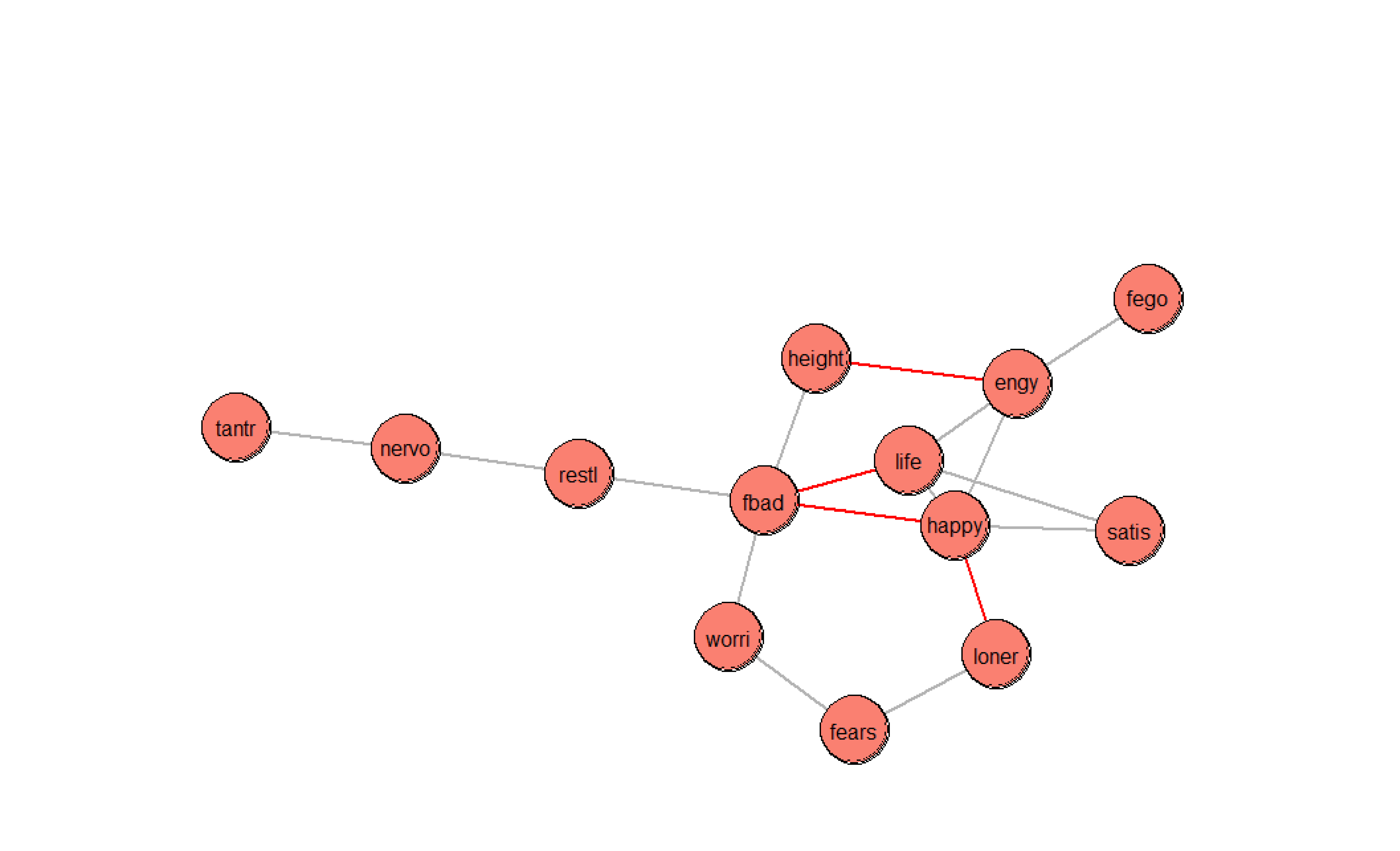
and feeling bad) in girls illustrates figure 1.
The figure shows a significant positive correlation between feeling bad (item: When you
think about the last week, did you feel sad?) and height (r equals 0.258, p is less than
0.01, Table 3) as well as a significant
negative correlation between energy (item: If you think about the last week, have you
been full of energy?) and height (r equals minus 0.321, p is less than
0.001). Association chains existed within the network for: tantrum,
nervous, and restless with feeling bad. Since feeling bad
is associated with height, the analysis suggested an indirect link between this sequence
of variables and height.
Figure 1 St. Nicolas House Analysis of
feelings and height in girls aged 11 years (KiGGS study Wave 2) - Displayed
are the most stable network connections between 12 feelings (restl =
restless, tantr = tantrum, loner = loner, worri =
worries, nervo = nervous, fears = fears, fego =
feeling good, engy = energy, life = like life,
satis = satisfied, happy = happy, fbad = feeling bad)
and height. Positive correlations are represented by grey lines, negative
correlations by red lines. A linear association chain can be observed from
tantrum, nervous, restless to feeling bad.
Network
structure of emotional variables and height in boys (snha)
Analogous to the
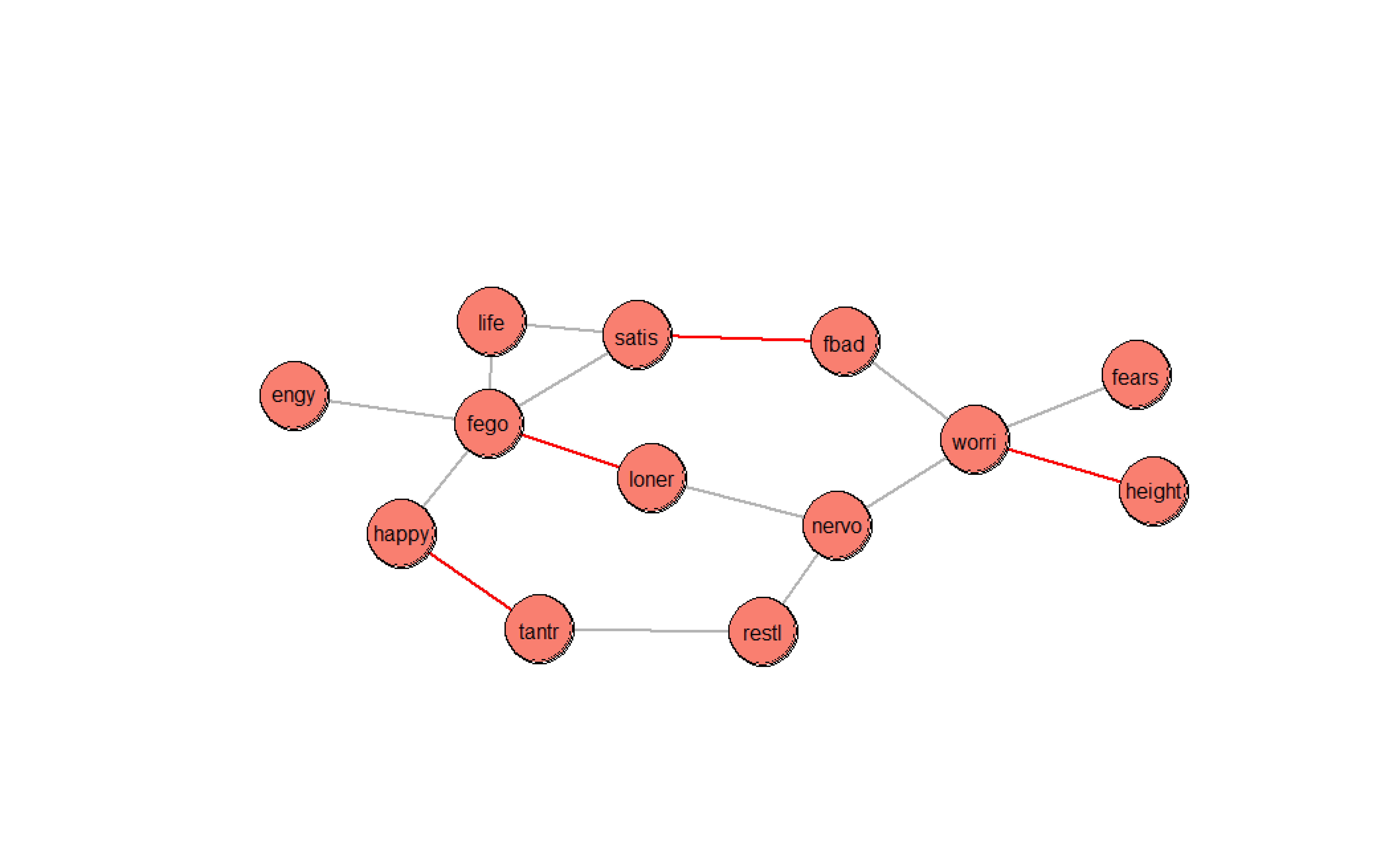
analysis of the girls, snha was also conducted for boys aged 12 to 13 years. The
analysis included the same 12 feelings (restless, tantrum, loner, worries, nervous,
fears, feeling good, energy, like life, satisfied, happy, and feeling
bad) as well as height. The results showed only one minor negative correlation that
occurred between worries and height (r equals minus 0.136, p is less than
0.05, Figure 2, Table 4).
Figure 2 St. Nicolas House Analysis of
feelings and height in boys aged 12–13 years (KiGGS Study Wave 2) -
Displayed are the most stable network connections between the twelve
emotional variables (restl = restless, tantr = tantrum, loner
= loner, worri = worries, nervo = nervous, fears =
fears, fego = feeling good, engy = energy, life =
like life, satis = satisfied, happy = happy, fbad =
feeling bad) and height. Positive correlations are indicated by
grey lines, negative correlations by red lines.
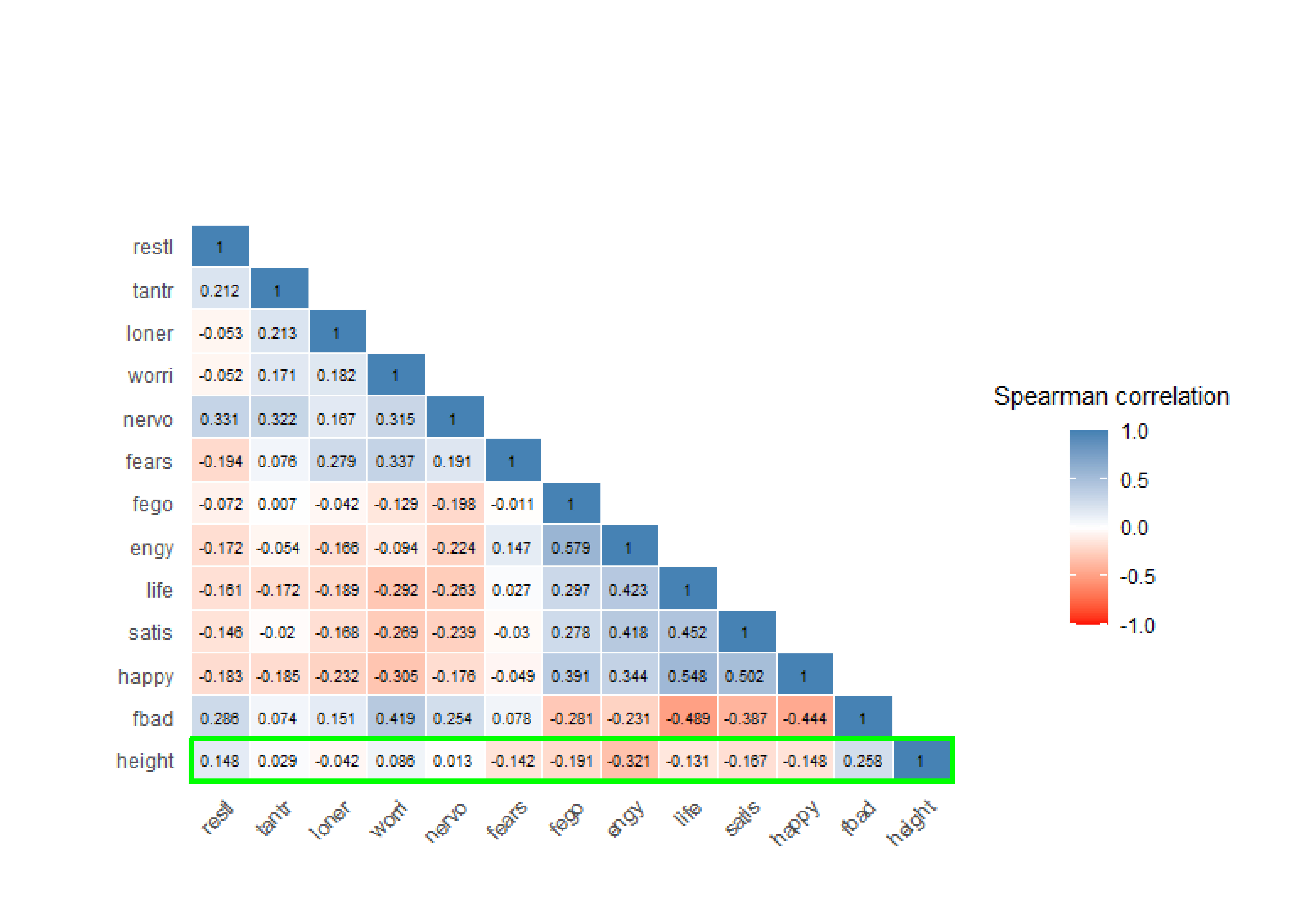
Figure 3 Spearman correlation matrix of 12
feelings (restl = restless, tantr = tantrum, loner =
loner, worri = worries, nervo = nervous, fears =
fears, fego = feeling good, engy = energy, life =
like life, satis = satisfied, happy = happy, fbad =
feeling bad) and height in girls aged 11 years (KiGGS Wave 2).
Positive associations are coded in blue and negative associations in red;
the intensity of the colour corresponds to the strength of the correlation.
Table 3 Spearman correlation coefficients (R),
coefficients of determination (R²), levels of significance (p), and confidence
interval (CI) between twelve emotional variables and height in girls aged 11
years (KiGGS Wave 2)
Variable (feeling)
R-value
R²-value
p-value
95% CI
Restless
0.148
0.022
0.145
[-0.052, 0.337]
Tantrum
0.029
0.001
0.774
[-0.17, 0.226]
Loner
-0.042
0.002
0.678
[-0.239, 0.157]
Worries
0.086
0.007
0.398
[-0.114, 0.28]
Nervous
0.013
0.0
0.899
[-0.186, 0.211]
Fears
-0.142
0.02
0.162
[-0.331, 0.058]
Feeling good
-0.191
0.036
0.059
[-0.376, 0.007]
Energy
-0.321
0.103
<0.001*
[-0.488, -0.131]
Like life
-0.131
0.017
0.199
[-0.321, 0.069]
Satisfied
-0.167
0.028
0.1
[-0.354, 0.033]
Happy
-0.148
0.022
0.146
[-0.337, 0.052]
Feeling bad
0.258
0.067
<0.01*
[0.063, 0.434]
* significant p is less than 0.05
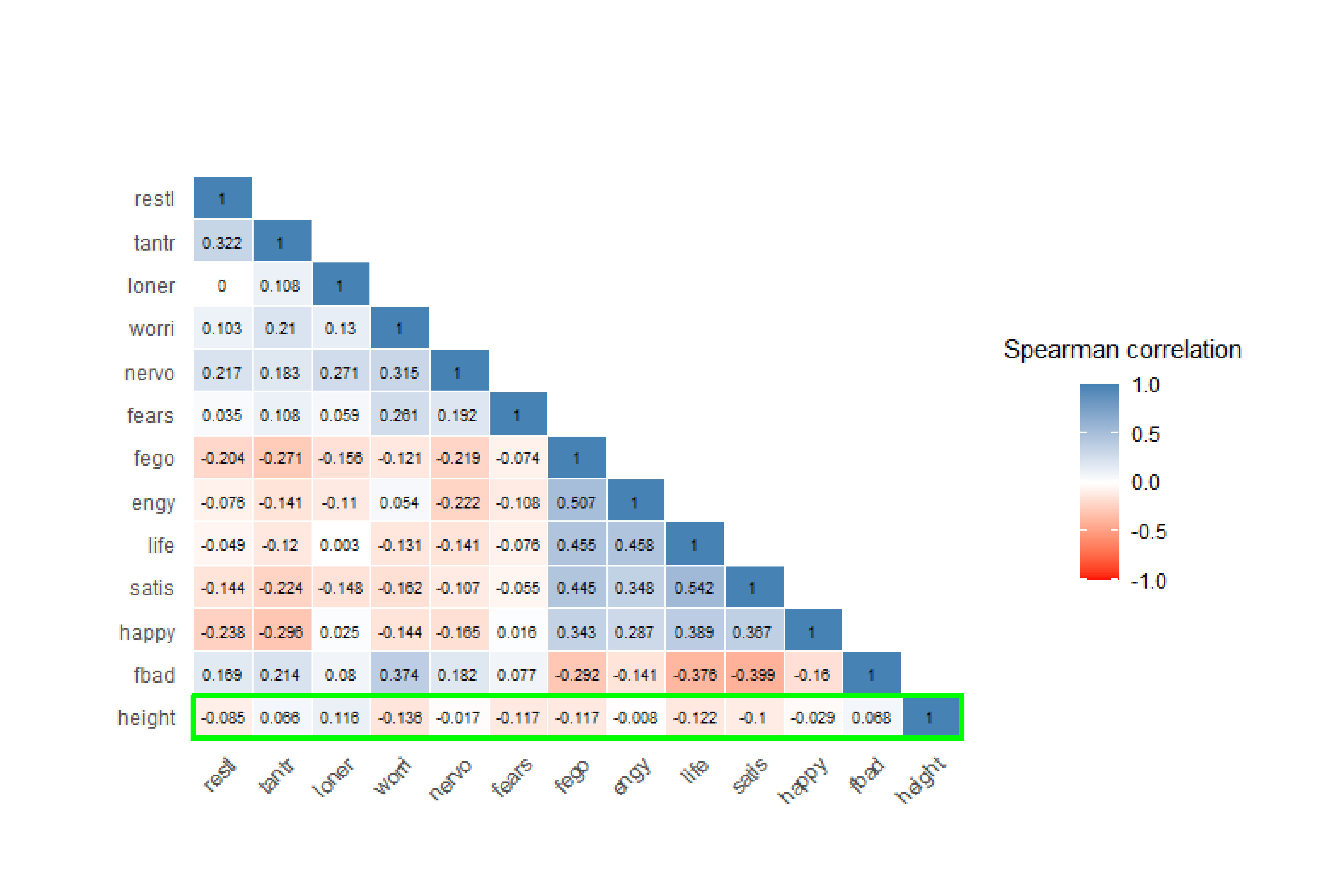
Figure 4 Spearman correlation matrix of 12
feelings (restl = restless, tantr = tantrum, loner =
loner, worri = worries, nervo = nervous, fears =
fears, fego = feeling good, engy = energy, life =
like life, satis = satisfied, happy = happy, fbad =
feeling bad) and height in boys aged 12 to 13 years (KiGGS Wave
2). Positive associations are coded in blue and negative associations in
red; the intensity of the colour corresponds to the strength of the
correlation.
Table 4 Spearman correlation coefficients (R),
coefficients of determination (R²), levels of significance (p), and confidence
interval (CI) between twelve emotional variables and height in boys aged 12 to
13 years (KiGGS Wave 2)
Feelings
R-value
R²-value
p-value
95% CI
Restless
-0.085
0.007
0.215
[-0.216,
0.049]
Tantrum
0.066
0.004
0.336
[-0.068,
0.198]
Loner
0.116
0.013
0.088
[-0.017,
0.246]
Worries
-0.136
0.018
0.046*
[-0.265,
-0.003]
Nervous
-0.017
0.0
0.806
[-0.15,
0.117]
Fears
-0.117
0.014
0.085
[-0.247,
0.016]
Feeling
good
-0.117
0.014
0.088
[-0.246,
0.017]
Energy
-0.008
0.0
0.906
[-0.141,
0.126]
Like
life
-0.122
0.015
0.073
[-0.252,
0.011]
Satisfied
-0.1
0.01
0.142
[-0.231,
0.034]
Happy
-0.029
0.001
0.674
[-0.162,
0.105]
Feeling
bad
0.068
0.005
0.32
[-0.066,
0.2]
* significant p is less than 0.05
Discussion
Genetics and adequate
nutrition are indispensable prerequisites for normal growth, but their role as true
regulators of growth has been questioned. Recent research emphasised the significance of
social, economic, political, and emotional (SEPE) factors in the regulation of human
growth (Bogin 2020; Bogin
2021; Hermanussen et al. 2022; Fritsch and Scheffler 2025; Scheffler and Hermanussen 2025). They describe a network composed
of the general living conditions such as the political background, economic prosperity,
social class, and level of education, and the more personal circumstances such as
emotional security, social integration, and personal feelings. It has been estimated
that SEPE factors may contribute to approximately 50% of the variance in height when
considering body height over long periods (Hermanussen
et al. 2025).
The present pilot study was undertaken to further illustrate
the relation between body height in pubertal adolescents aged between 11 and 13 years
and personal feelings. This information was obtained from the questionnaires of the
second wave of a long-term Study on Health of Children and Adolescents in Germany
(KiGGS). KiGGS documents a comprehensive picture of the health status, health behaviour,
and living conditions of children and adolescents in Germany at regular intervals since
2003 (Dölle et al. 2007; Neuhauser et al; Stahlmann et al. 2022; Kurth et al.). The KiGGS questionnaires contain a
large number of questions on personal feelings of which 12 items were finally selected:
restless, tantrum, loner, worries, nervous, fears, feeling good, energy, like
life, satisfied, happy, and feeling bad. Items that specifically
addressed group behaviour were not provided in these questionnaires.
Based on the
public notion that happy and healthy individuals tend to grow well, we hypothesised that
positive feelings in young adolescents such as feeling good, energy, like life,
satisfied, and happy were positively correlated with height, while
negative feelings such as restless, tantrum, loner, worries, nervous, fears, and
feeling good were negatively related with height. Yet, the data indicate that
this interaction is more complex than initially assumed. In general, single feelings are
not well or even inversely related to height. Height of girls showed significant
negative correlations with the “positive” item If you think about the last week, have
you been full of energy? and significant positive correlations with the
“negative” item When you think about the last week, did you feel bad?. Most other
correlations between height and feelings remained insignificant. As the probability of
randomly detecting two highly significant variables among 12 is below 1%, we rejected
our hypothesis for girls and, quite in contrast to our notion, concluded that taller
height is associated with negative feelings in girls.
The pattern differed in
boys. Consistent with our hypothesis, shorter boys reported worries significantly
more often. If worrying is interpreted as a potential indicator of submissiveness, this
finding may support the idea that dominance is linked to growth in male adolescents.
However, because worries were the only emotional factor associated with height, we
concluded that the relationship between growth and socio-emotional factors is more
complex than can be adequately explained by isolated measures of
feelings.
Feelings not only affect individuals but also play a role in the social
transmission of norms (Ahmed 2004). Feelings act as an
outside-in model in which individuals are immersed into the emotional climate of their
group and eventually adopt them as their own. The perception of one’s social status not
only influences the emotional balance, but in turn appears to also affect the endocrine
regulation of growth (Hermanussen et al. 2022; Scheffler and Hermanussen 2025).
Limitations
The present study is based on the
questionnaires of the KiGGS Wave 2 study that was not specifically designed to assess
dominance and social integration among members of social groups, but focused on the
individual, its physical and its health status including a variety of feelings that
occurred during “the last week”. Data on pubertal development was also not available.
The selection of emotional variables was partly based on subjective criteria. Initially,
we selected 17 questions that appeared relevant to the aims of this study, but
subsequently reduced this number to 12 after finding that 5 questions showed no apparent
association with body height.
As full information was only available in a small
proportion of the participants, the sample size was small which may limit the
explanatory power and generalisability of the results.
The present study focused
on adolescent growth before and near peak height velocity. As the KiGGS study had
grouped their participants into two-year age categories (10+11 years, 12+13 years,
etc.), with data on feelings being available not before age 11, the group of girls was
comparably small.
Speculative contextual factors
The present findings suggested that, in girls,
positive feelings tend to be associated with shorter stature. This opposes our
hypothesis and in the first place, appears amazing. Yet, it might refer to ideals of
femininity associated with delicacy and the desire for protection, i.e., to the
traditional gender roles that have recently experienced a notable renaissance, the
so-called “tradwife effect” (Banet-Weiser and Reinis
2026). “Tradwives” emerged in the mid-2010s as a digital community and have
since spread explosively across social media (Sykes and
Hopner 2024). This novel lifestyle links female happiness to a return to
traditional gender roles, that is, to subordination to the husband, motherhood, and
ideals of a harmonious family (Elmhirst 2024).
Femininity is physically staged and internalised through posture, clothing, and
aesthetics (Sykes and Hopner 2024). This form of
self-presentation leads to a conscious and emotional distancing from feminism (Herzner 2025; Stotzer
and Nelson 2025). The tradwife concept supports persistent patriarchal
structures in which heterosexual men form the dominant members of the social group (Herzner 2025). Social hierarchies influence growth.
When the social status in the sense of achievement striving or competition is no longer
desired and instead subordination is considered ideal, energy is not directed
toward personal development but toward the cultivated embodiment of traditional
femininity, such as being small, delicate, selfless, and domestic. Empirical studies to
examine this theory are not yet available. Another explanatory approach may lie in
evolutionary and social psychological factors related to partner choice. If shorter
girls receive positive feedback on perceived attractiveness, their emotional well-being
may be strengthened and reduce pressure to invest energy in physical growth. Tradwife
roles may trigger physical changes during adolescence as individuals adjust to shared
social norms and expectations within their community. Social rank and expectations are
linked to body height. Partner preferences may play an important role, with women more
often preferring a taller partner, while men tend to choose a shorter partner (Dial and Brown 2025). Thus, girls who perceive
themselves as tall may experience conflicts with traditional norms of femininity and
body image as reflected in a reduced feeling of energy and increased bad
feeling.
An opposite pattern emerged in the 12- to 13-year-old boys.
Shorter boys tend to often experience worries. A theoretical explanatory approach
lies in their gender-specific role expectations and associated social demands. In male
development, height traditionally possesses a strong symbolic and status value (Schmidt and Talbot 2025). In many societies, height
in young men is associated with strength, dominance, assertiveness, and social
competence (Bogin 2020; Hermanussen and Scheffler 2024). Taller boys may therefore benefit from
positive social resonance because they are more likely to be perceived as confident and
attractive (Stulp et al. 2015; Bogin 2020; Schmidt and Talbot
2025). Thus, when many worries and stressors occur during adolescence, this may
have an inhibiting influence on physical growth, especially if boys feel that they are
not achieving their social rank within the peer group. In this context, the community
effect becomes important again. In peer groups in which height functions as a relevant
status criterion, taller boys can more easily achieve a stable social rank. Such a
position within the group reduces the risk of experiences of social competition and
supports emotional relief, which in turn is associated with fewer worries.
Conversely, shorter boys might tend to experience more worries due to greater
sensitivity to stress and social comparison. In this way feelings could indirectly
influence growth through hormonal processes, thus contributing to variation in height
during adolescence. In summary, the 12- to 13-year-old boys show that the feeling
worries in combination with the community effect may play a role in height
during adolescence.
Implications and future
research
Findings from modern developmental and epigenetic research show
impressively that environmental conditions, in particular SEPE factors, can modulate
gene expression to a considerable extent (Bogin 2021).
These include especially emotional insecurities related to social and economic
inequality, as well as existing health burdens such as stress. In addition, social
performance pressure and a high psychosocial burden within the family environment can
have negative effects on well-being and therefore indirectly on physical growth (Bogin 2020; Hosseinkhani
et al. 2020). Despite this scientific progress, parts of research and the public
still hold the view that human stature is predominantly genetically determined (Bicknell et al. 2025). Such statements and the
continuous search for the missing heritability demonstrate the persistence of outdated
concepts from past decades. Today it is known that growth, development and maturation
occur within a wide spectrum and do not follow a rigid sequence. Rather, it is an
extremely complex interaction of phylogenetic influences and SEPE influences, which
occur particularly strongly during adolescence.
Although there are some
limitations – for example, the questionnaire may be inconsistent –, we can provide
valuable insights into height development during early adolescence. To the best of our
knowledge, this association has not been demonstrated before.
Future results
should focus on feelings related to group interactions, particularly those associated
with dominance and/or subordination. In addition, future studies should focus on the
cultural impact of emotions on growth.
Including children and adolescents with a
migration background could improve the generalizability of the findings to contemporary
populations.
Analysing data from the KiGGS baseline study (2003–2006) could
provide insight into whether and how the association between feelings and height has
changed over time. To generalise the results, an age-stratified sample and a more
appropriate questionnaire would be required.
Acknowledgements
Thanks are due to the Summer School
KoUP of the University of Potsdam funding without which this work would not have been
possible.
Acknowledgements
Thanks are due to the Summer School KoUP of the University of Potsdam funding
without which this work would not have been possible.
Ahmed, S. (2004). The cultural
politics of emotion. New York, Routledge.
Aßmann, C./Hermanussen, M. (2013).
Modeling determinants of growth: evidence for a community-based target in
height? Pediatric research 74 (1), 88–95. https://doi.org/10.1038/pr.2013.50.
Banet-Weiser, S./Reinis, S. (2026).
The rage of tradwives: Affective economies and romanticizing retreat.
Feminist Theory 27 (1), 50–66. https://doi.org/10.1177/14647001251371971.
Bogin, B. (2020). Patterns of Human
Growth. Cambridge University Press.
Bogin, B. (2021).
Social-Economic-Political-Emotional (SEPE) factors regulate human growth.
Human Biology and Public Health 1. https://doi.org/10.52905/hbph.v1.10.
Bogin, B./Varea, C./Hermanussen,
M./Scheffler, C. (2018). Human life course biology: A centennial perspective
of scholarship on the human pattern of physical growth and its place in
human biocultural evolution. American journal of physical anthropology 165
(4), 834–854. https://doi.org/10.1002/ajpa.23357.
Case, A./Paxson, C. (2008). Stature
and status: Height, ability, and labor market outcomes. The journal of
political economy 116 (3), 499–532. https://doi.org/10.1086/589524.
Casey, B. J./Jones, R. M./Levita,
L./Libby, V./Pattwell, S. S./Ruberry, E. J./Soliman, F./Somerville, L. H.
(2010). The storm and stress of adolescence: insights from human imaging and
mouse genetics. Developmental psychobiology 52 (3), 225–235. https://doi.org/10.1002/dev.20447.
Chen, S./Moris, S./Groth, D.
(2024). Improving ramification detection of St. Nicolas House Analysis.
Human Biology and Public Health 1. https://doi.org/10.52905/hbph2024.1.81.
Dial, A./Brown, G. R. (2025).
Relationship between Height Preferences and Endorsement of Gender Norms.
Human nature (Hawthorne, N.Y.) 36 (3), 403–423. https://doi.org/10.1007/s12110-025-09504-x.
Dölle, R./Schaffrath Rosario,
A./Stolzenberg, H. (2007). Der Kinder- und Jugendgesundheitssurvey (KiGGS):
Datenmanagement. Bundesgesundheitsblatt, Gesundheitsforschung,
Gesundheitsschutz 50 (5-6), 567–572. https://doi.org/10.1007/s00103-007-0217-7.
Elmhirst, S. (2024). The rise and
fall of the trad wife. The New Yorker (29).
Frenzel, A. C./Götz, T./Pekrun, R.
(2009). Emotionen. In: Elke Wild/Jens Möller (Eds.). Pädagogische
Psychologie. Berlin, Heidelberg, Springer Berlin Heidelberg,
205–231.
Fritsch, J./Scheffler, C. (2025). Turkish migrants adjust body height
during adolescence to the host community in Germany. Human Biology and
Public Health 1. https://doi.org/10.52905/hbph2025.1.104.
German, A./Mesch, G./Hochberg, Z.
(2020). People Are Taller in Countries With Better Environmental Conditions.
Frontiers in endocrinology 11, 106. https://doi.org/10.3389/fendo.2020.00106.
Grasgruber, P./Cacek, J./Kalina,
T./Sebera, M. (2014). The role of nutrition and genetics as key determinants
of the positive height trend. Economics and human biology 15, 81–100. https://doi.org/10.1016/j.ehb.2014.07.002.
Groth, D. (2023). snha: Creating
Correlation Networks using St. Nicolas House Analysis (Version 0.1.3) [R
package].
Gudbjartsson, D. F./Walters, G.
B./Thorleifsson, G./Stefansson, H./Halldorsson, B. V./Zusmanovich, P./Sulem,
P./Thorlacius, S./Gylfason, A./Steinberg, S./Helgadottir, A./Ingason,
A./Steinthorsdottir, V./Olafsdottir, E. J./Olafsdottir, G. H./Jonsson,
T./Borch-Johnsen, K./Hansen, T./Andersen, G./Jorgensen, T./Pedersen,
O./Aben, K. K./Witjes, J. A./Swinkels, D. W./Heijer, M. den/Franke,
B./Verbeek, A. L. M./Becker, D. M./Yanek, L. R./Becker, L. C./Tryggvadottir,
L./Rafnar, T./Gulcher, J./Kiemeney, L. A./Kong, A./Thorsteinsdottir,
U./Stefansson, K. (2008). Many sequence variants affecting diversity of
adult human height. Nature genetics 40 (5), 609–615. https://doi.org/10.1038/ng.122.
Hermanussen, M./Aßmann, C./Groth,
D. (2021). Chain Reversion for Detecting Associations in Interacting
Variables—St. Nicolas House Analysis. International journal of environmental
research and public health 18 (4), 1741. https://doi.org/10.3390/ijerph18041741.
Hermanussen, M./Aßmann,
C./Scheffler, C. (2025). Avoiding "Too Tall" and "Too Short": The Effect of
the Community on the Regulation of Body Height. American journal of human
biology : the official journal of the Human Biology Council 37 (6), e70085.
https://doi.org/10.1002/ajhb.70085.
Hermanussen, M./Erofeev,
S./Scheffler, C. (2022). The socio-endocrine regulation of human growth.
Acta paediatrica (Oslo, Norway : 1992) 111 (11), 2077–2081. https://doi.org/10.1111/apa.16504.
Hermanussen, M./Scheffler, C.
(2016). Stature signals status: The association of stature, status and
perceived dominance - a thought experiment. Anthropologischer Anzeiger;
Bericht uber die biologisch-anthropologische Literatur 73 (4), 265–274. https://doi.org/10.1127/anthranz/2016/0698.
Hermanussen, M./Scheffler, C.
(2024). Größenwahn. Berlin, Heidelberg, Springer Berlin
Heidelberg.
Hermanussen, M./Scheffler, C./Groth, D./Aßmann, C. (2015). Height and
skeletal morphology in relation to modern life style. Journal of
physiological anthropology 34, 41. https://doi.org/10.1186/s40101-015-0080-4.
Hermanussen, M./Wit, J. M. (2017).
How Much Nutrition for How Much Growth? Hormone research in paediatrics 88
(1), 38–45. https://doi.org/10.1159/000454832.
Hosseinkhani, Z./Hassanabadi,
H.-R./Parsaeian, M./Karimi, M./Nedjat, S. (2020). Academic Stress and
Adolescents Mental Health: A Multilevel Structural Equation Modeling (MSEM)
Study in Northwest of Iran. Journal of research in health sciences 20 (4),
e00496. https://doi.org/10.34172/jrhs.2020.30.
Kurth, B. M./Schmich, P./Kuhnert,
R./Robert Koch-Institut, Abteilung Für Epidemiologie Und
Gesundheitsmonitoring. KiGGS Welle 2 - ‚qStudie zur Gesundheit von Kindern
und Jugendlichen in Deutschland‘q.
Larson, R. W./Moneta, G./Richards,
M. H./Wilson, S. (2002). Continuity, stability, and change in daily
emotional experience across adolescence. Child development 73 (4),
1151–1165. https://doi.org/10.1111/1467-8624.00464.
Main, K./Bouton, B. D./Pendergast,
D./Whitaker, N. (2025). The Importance of Social and Emotional Skills During
Adolescence to Promote a Positive Social Identity: A Systematic Literature
Review and Reflection Using Bronfenbrenner’s Bioecological Theory. Education
Sciences 15 (2), 258. https://doi.org/10.3390/educsci15020258.
Naulé, L./Maione, L./Kaiser, U. B.
(2021). Puberty, A Sensitive Window of Hypothalamic Development and
Plasticity. Endocrinology 162 (1). https://doi.org/10.1210/endocr/bqaa209.
Neuhauser, H./Schienkiewitz,
A./Rosario, A. S./Dortschy, R./Kurth, B.-M. Referenzperzentile für
anthropometrische Maßzahlen und Blutdruck aus der Studie zur Gesundheit von
Kindern und Jugendlichen in Deutschland (KiGGS).
Paus, T./Keshavan, M./Giedd, J. N.
(2008). Why do many psychiatric disorders emerge during adolescence? Nature
reviews. Neuroscience 9 (12), 947–957. https://doi.org/10.1038/nrn2513.
Rychlowska, M./Miyamoto,
Y./Matsumoto, D./Hess, U./Gilboa-Schechtman, E./Kamble, S./Muluk, H./Masuda,
T./Niedenthal, P. M. (2015). Heterogeneity of long-history migration
explains cultural differences in reports of emotional expressivity and the
functions of smiles. Proceedings of the National Academy of Sciences of the
United States of America 112 (19), E2429-36. https://doi.org/10.1073/pnas.1413661112.
Scheffler, C./Hermanussen, M.
(2025). Human growth regulation is dominated by the socio-cultural exposome.
Human Biology and Public Health 2. https://doi.org/10.52905/hbph2025.2.119.
Scheffler, C./Nguyen, T.
H./Hermanussen, M. (2021). Vietnamese migrants are as tall as they want to
be. Human Biology and Public Health 2. https://doi.org/10.52905/hbph.v2.12.
Schmidt, N. P./Talbot, D. (2025).
Standing tall or falling short: A narrative review of height dissatisfaction
and psychological outcomes. PLOS Mental Health 2 (11), e0000497. https://doi.org/10.1371/journal.pmen.0000497.
Stahlmann, K./Mena, E./Kuhnert,
R./Conrad, A./Bolte, G. (2022). Social Inequalities in the Association
between Social Infrastructure and Mental Health: An Observational
Cross-Sectional Analysis of Children and Adolescents in Germany.
International journal of environmental research and public health 19 (11).
https://doi.org/10.3390/ijerph19116760.
Stulp, G./Buunk, A. P./Verhulst,
S./Pollet, T. V. (2015). Human height is positively related to interpersonal
dominance in dyadic interactions. PloS one 10 (2), e0117860. https://doi.org/10.1371/journal.pone.0117860.
Turchin, M. C./Chiang, C. W.
K./Palmer, C. D./Sankararaman, S./Reich, D./Hirschhorn, J. N. (2012).
Evidence of widespread selection on standing variation in Europe at
height-associated SNPs. Nature genetics 44 (9), 1015–1019. https://doi.org/10.1038/ng.2368.
Valiente, C./Swanson, J./Eisenberg,
N. (2012). Linking Students’ Emotions and Academic Achievement: When and Why
Emotions Matter. Child development perspectives 6 (2), 129–135. https://doi.org/10.1111/j.1750-8606.2011.00192.x.
Wickham, H. (2016). Data Analysis.
In: Hadley Wickham (Ed.). ggplot2. Cham, Springer International Publishing,
189–201.
Zang, X./Wang, Y./Lu, C./Yoon, I. (2025). Investigating the mediating role
of classroom achievement emotions in the relationship between school
physical environment and physical literacy of adolescents. Scientific
reports 15 (1), 11510. https://doi.org/10.1038/s41598-025-96209-x.